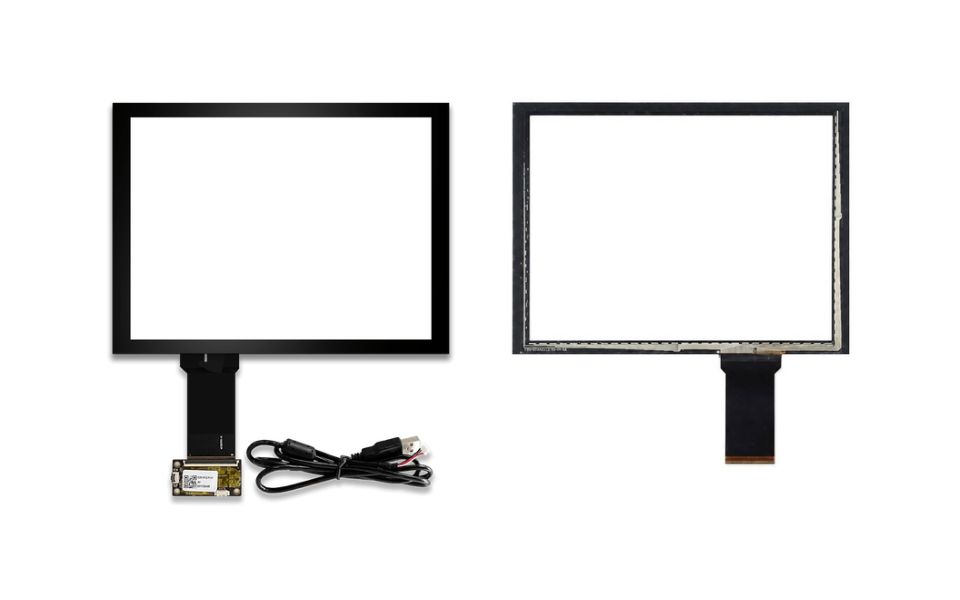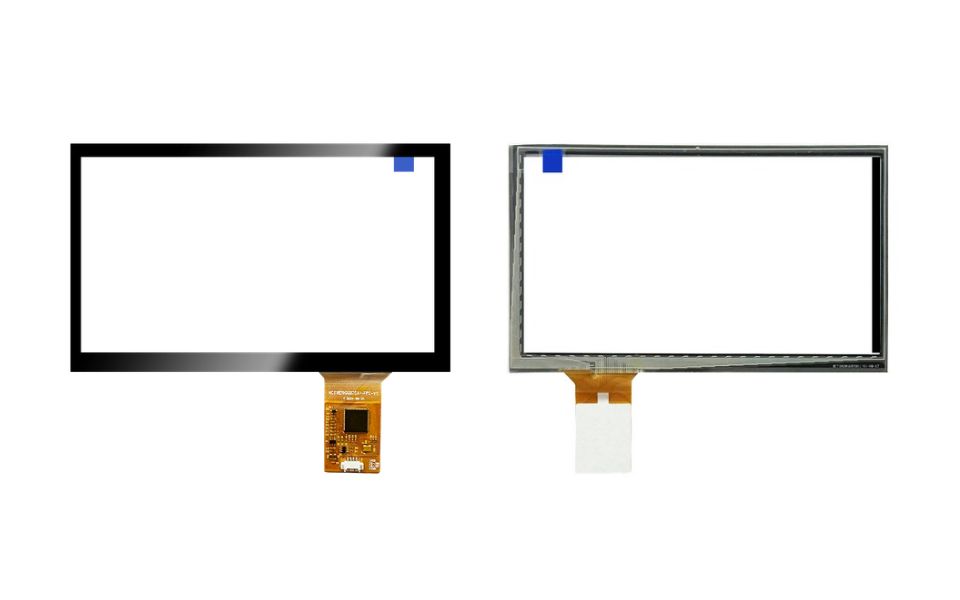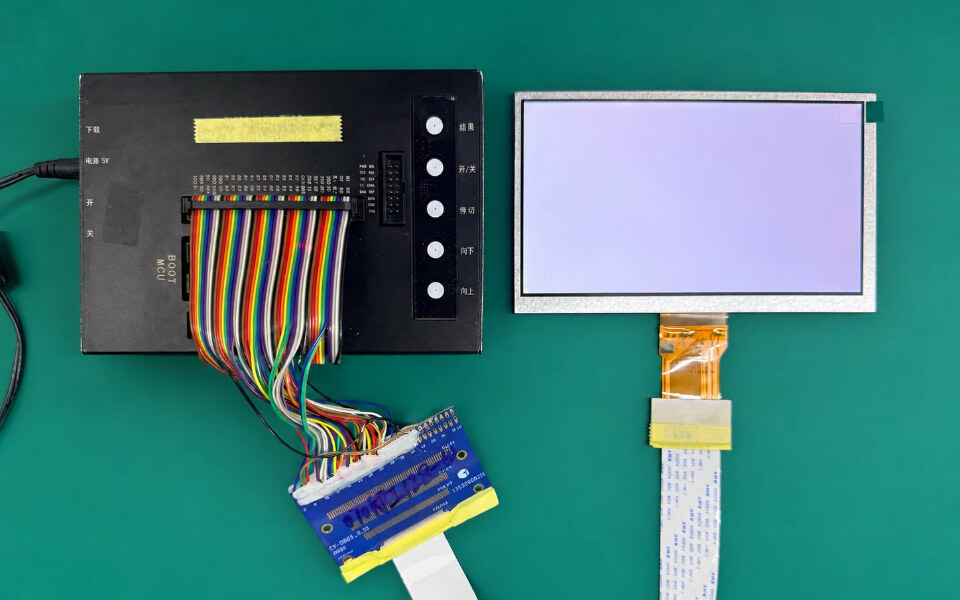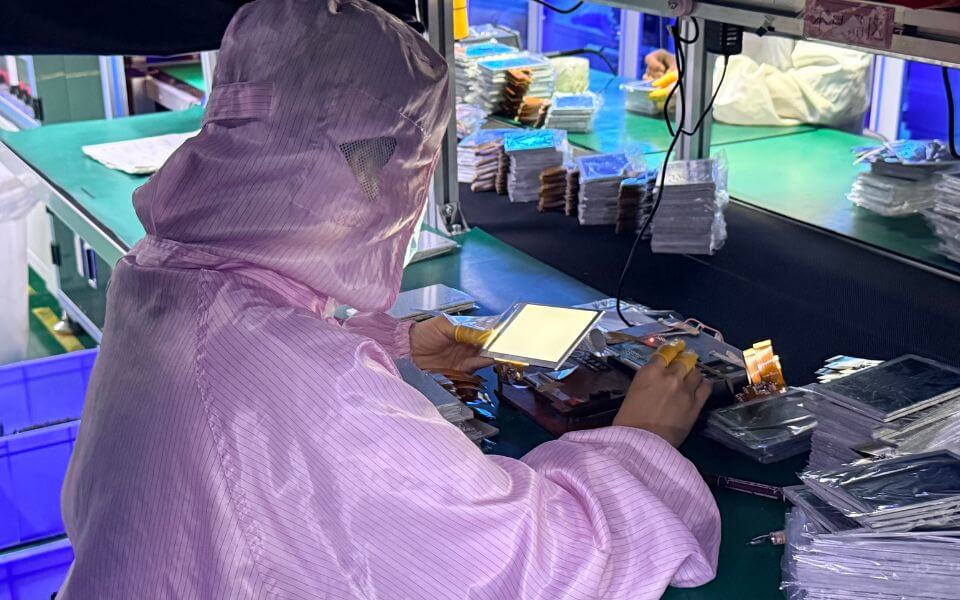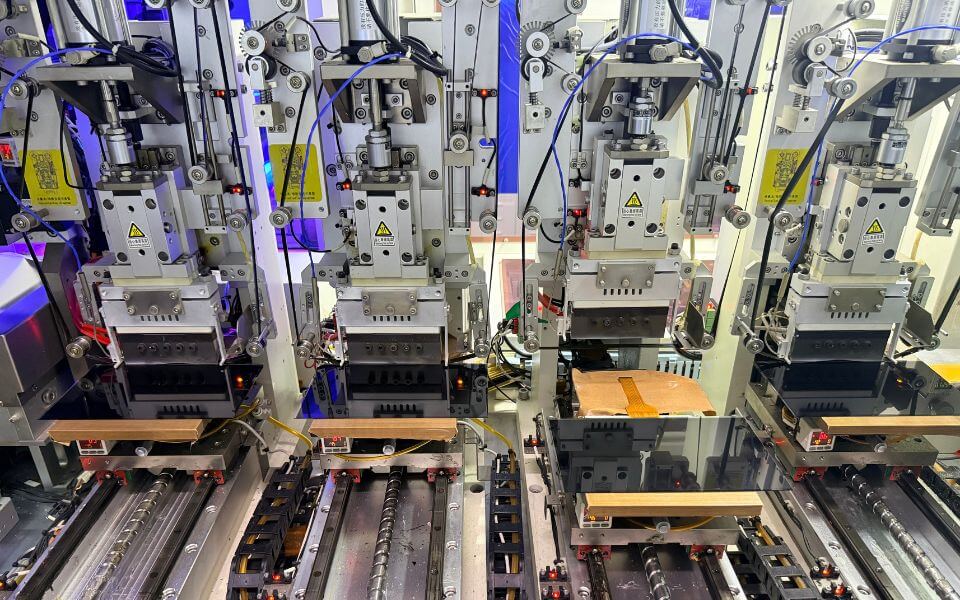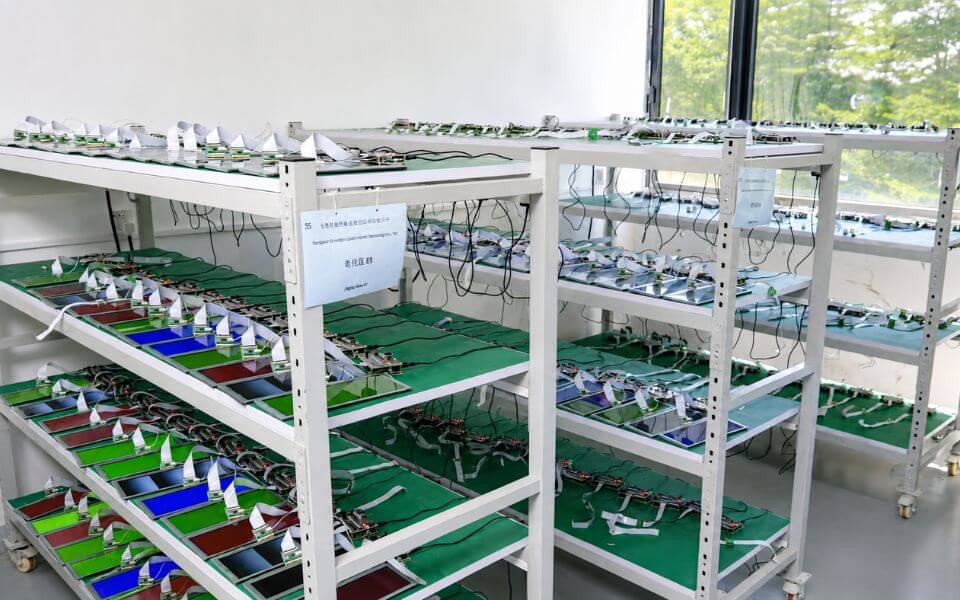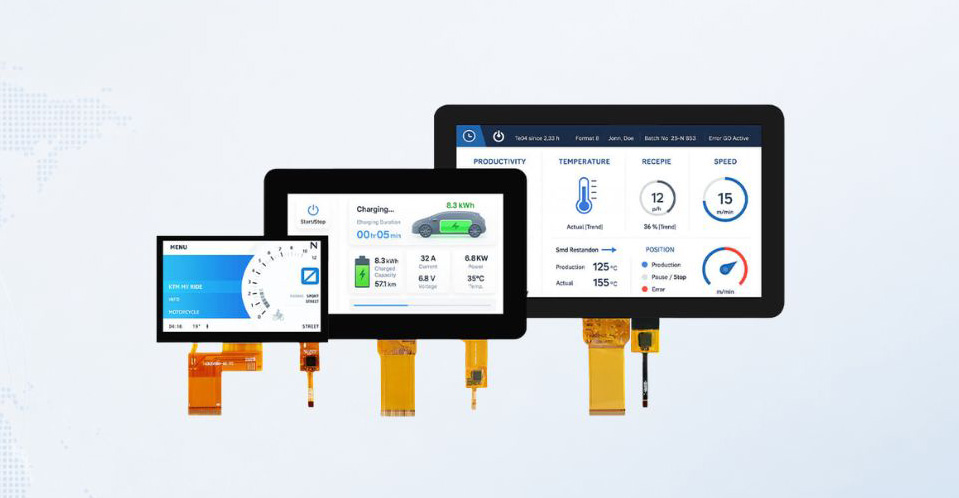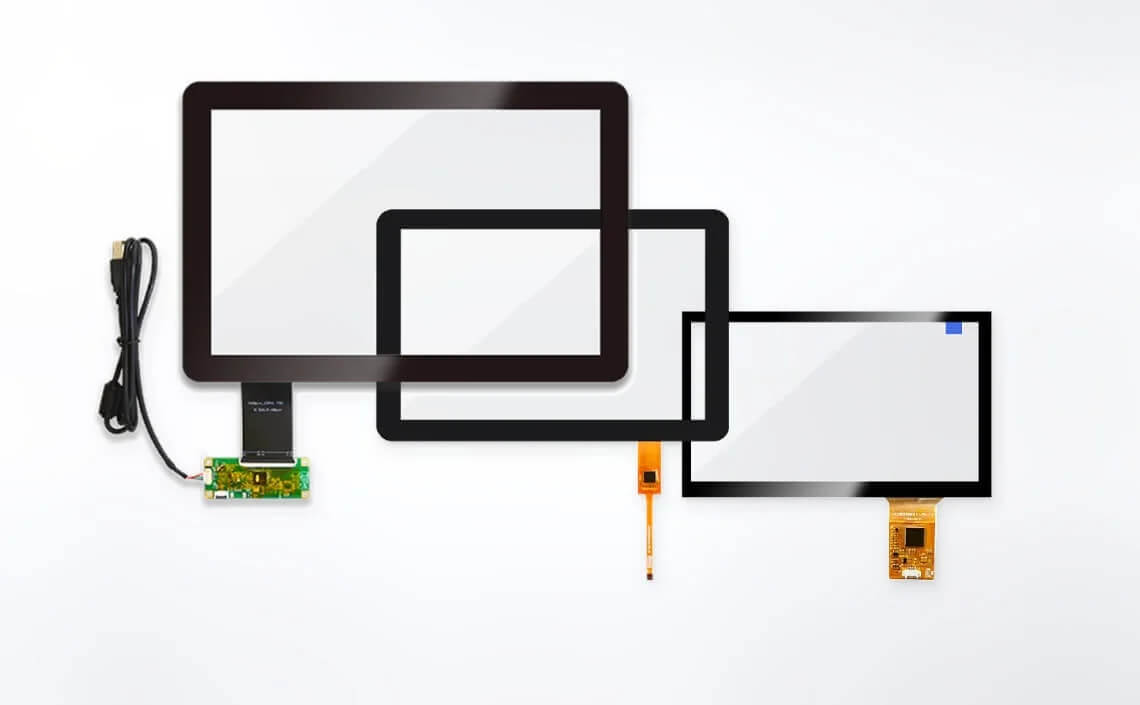
HCT121002H-AAA 12.1 inch capacitive touch panel features Glass-Glass (G+G) construction with 1.8 mm cover glass, 0.7 mm glass sensor and ILI2511 touch controller. USB and I²C interface connections support integration with compatible host systems, subject to controller configuration. This 12.1 inch touch panel offers over 85% light transmittance, over 6H surface hardness and defined mechanical dimensions for equipment assembly. Designed for standalone touch integration, it can be evaluated for use with separately selected LCD modules in agricultural machinery, industrial control systems and OEM equipment.
Explore More Features of 12.1 inch Capacitive Touch Panel
Glass-based construction, USB and I²C connection options, and defined mechanical dimensions for industrial touch integration.

G+G Glass Touch Structure
G+G construction combines 1.8 mm cover glass with 0.7 mm glass sensor through 0.2 mm SCA bonding. Total panel thickness measures 2.7 mm, with over 85% light transmittance and over 6H surface hardness. Layered glass construction provides defined mechanical and optical characteristics for equipment integration.
USB & I²C Touch Interfaces
ILI2511 controller features 41×23 sensing channels, with separate USB and I²C connector definitions. USB connections include 5V power and differential data signals, while I²C connections provide control and communication signals. Interface selection and firmware compatibility require verification against target host hardware.

Mechanical Fit & LCD Integration
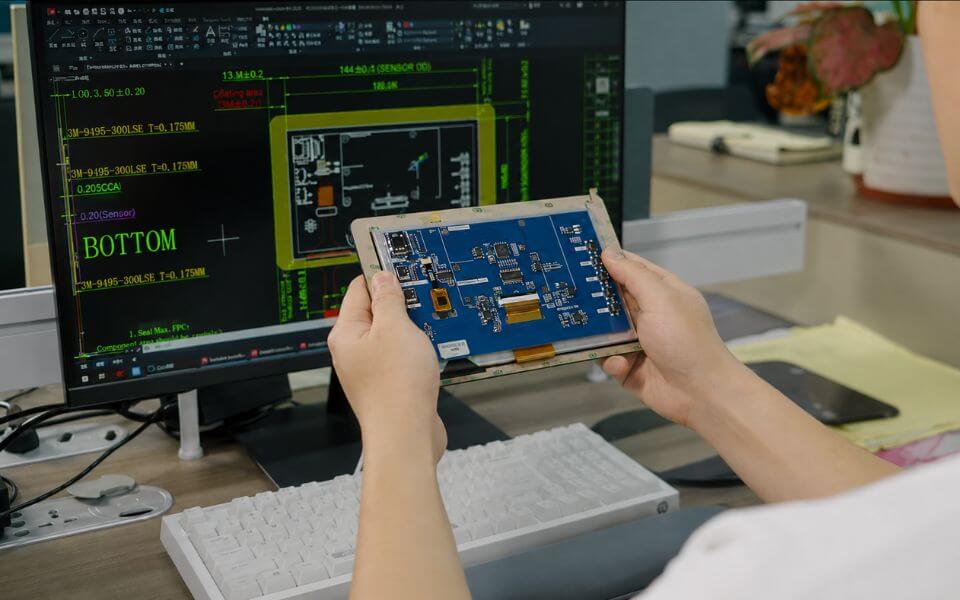
Cover glass measures 299.12×204.12 mm, with 262.12×164.2 mm viewing area. Defined sensor dimensions, FPC position and controller-board layout provide reference points for enclosure and LCD integration. Mechanical compatibility should be verified using equipment drawings before sample assembly.
Technical Specifications
USB Touch Panel Pin Definition
| Pin No. | Signal | Description |
|---|---|---|
| 1 | +5V | 5V power input |
| 2 | D- | USB differential data negative |
| 3 | D+ | USB differential data positive |
| 4 | GND | Ground |
FAQs
Q
1. Is the USB touch interface compatible with different operating systems?
▼
1. Is the USB touch interface compatible with different operating systems?
USB interface provides +5V, D−, D+ and GND connections. Operating system compatibility depends on touch controller firmware and available driver support. Host-system testing is recommended before production integration.
Q
2. Which operating systems support the USB touch interface?
▼
2. Which operating systems support the USB touch interface?
USB touch compatibility depends on controller firmware, operating system and driver support. Customers should provide host hardware details and OS version for compatibility evaluation. Sample testing on target equipment is recommended before production approval.
Q
3. What mounting and bonding options are available?
▼
3. What mounting and bonding options are available?
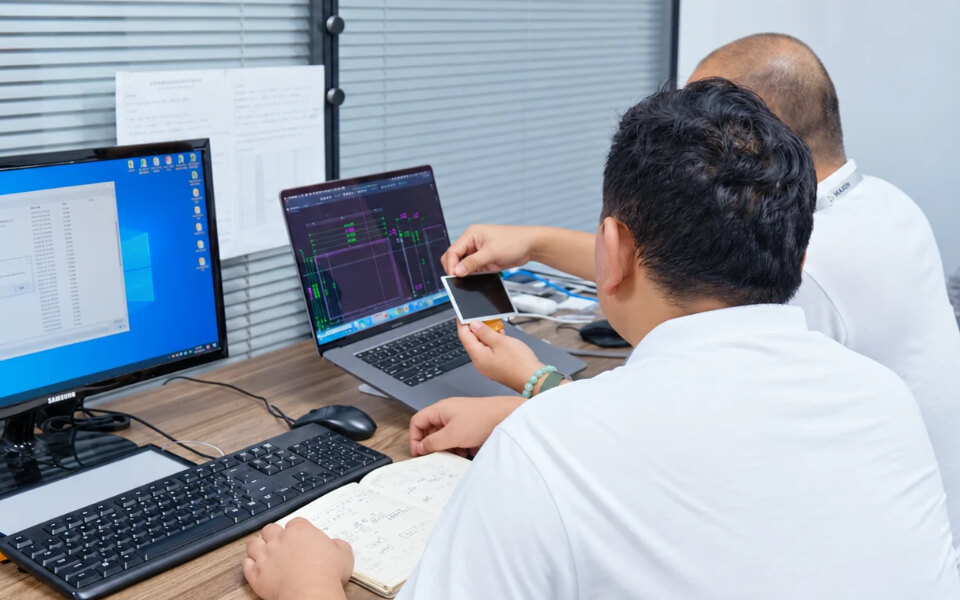
Standalone touch panels can be evaluated for frame bonding or optical bonding with compatible LCD modules. Suitable assembly methods depend on mechanical structure, available bonding space and application conditions. MAXEN can review mounting requirements and recommend appropriate integration methods.
Q
4. Which components can be customized for OEM projects?
▼
4. Which components can be customized for OEM projects?
Customization options include cover glass dimensions, border printing, FPC routing, connector position and selected surface treatments. Changes to sensor structure or controller configuration require additional engineering review. Tooling requirements, feasibility and development costs are confirmed before sampling.
Q
5. How is touch performance verified under industrial operating conditions?
▼
5. How is touch performance verified under industrial operating conditions?
Touch performance should be evaluated under actual operating conditions, including temperature changes, electrical interference and intended input methods. Glove operation, moisture tolerance and multi-touch functionality require configuration-specific validation. MAXEN recommends testing samples with final host hardware and enclosure design.