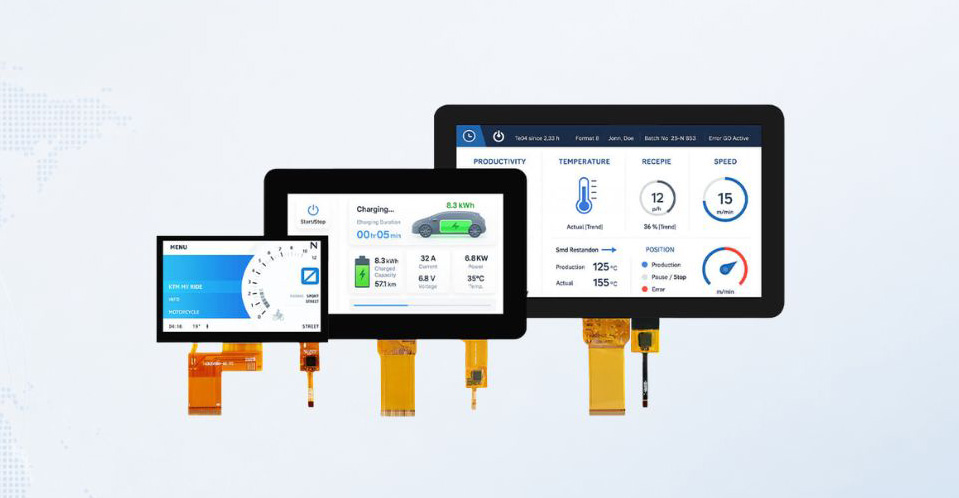
How MAXEN Evaluates LCD Display Requirements
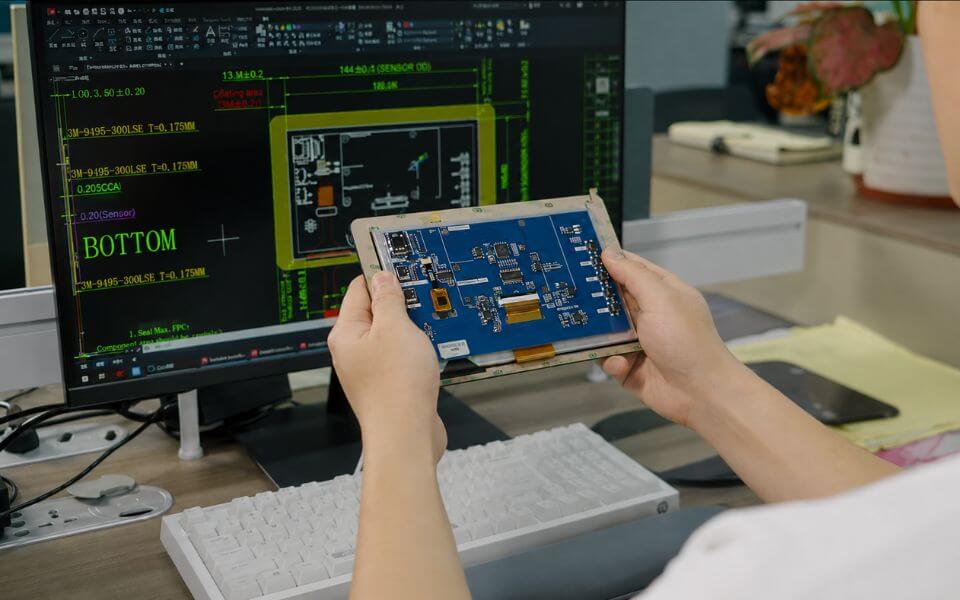
Engineering review is an important stage in selecting a suitable LCD module or developing a customized display solution. After receiving the initial project requirements, MAXEN's engineering team examines electrical specifications, FPC connections, mechanical dimensions, optical performance, and application conditions to determine whether the proposed display configuration is technically feasible.
The review focuses on compatibility with the customer's equipment, potential design constraints, and requirements that may need modification. Rather than selecting a display based only on screen size or resolution, our engineers consider how the complete module will connect to and operate within the intended system.
Electrical Interface and Host System Compatibility
Electrical compatibility is one of the primary considerations when integrating an LCD module into an existing electronic system. Our engineers review the display interface, signal configuration, power requirements, and available host controller information to determine whether the proposed module can communicate with the customer's hardware.
Depending on the LCD model, interface options may include RGB, LVDS, MIPI DSI, or SPI. Each interface has different signal and timing requirements. Even when two LCD modules share the same resolution or connector pin count, their electrical characteristics and pin assignments may differ.
The engineering review may include display timing parameters, supply voltages, signal levels, initialization requirements, and backlight driving conditions. Where necessary, our team identifies information that must be confirmed with the host system designer.
These checks help identify compatibility concerns before sample selection or customized development, reducing the risk of choosing a display that cannot be integrated into the customer's existing electronics.
FPC Design and Connector Configuration
Flexible printed circuits (FPCs) provide the electrical connection between the LCD module and the host system. Their physical layout and electrical configuration can affect both signal compatibility and mechanical installation.
MAXEN engineers review FPC length, connector type, pin assignments, cable exit direction, and available routing space according to the customer's equipment design. For compact industrial devices or embedded systems, connector placement and FPC orientation can be particularly important.
When an existing FPC configuration does not suit the intended installation, our team evaluates possible layout modifications. This may involve changing cable length, connector position, routing geometry, or other design features while considering electrical requirements and manufacturing feasibility.
Customers can provide existing FPC drawings, host PCB layouts, or connector specifications to support the review. Proposed modifications are evaluated before detailed drawings and sample development proceed.
Mechanical Fit and Enclosure Integration
Display must fit within the physical constraints of the intended equipment. Matching the nominal screen size does not necessarily guarantee that the module can be installed or used as a direct replacement.
Our engineering team reviews the LCD outline dimensions, active area, module thickness, mounting configuration, and available installation space. FPC position, connector clearance, and surrounding components are also considered where relevant.
For touchscreen assemblies, the review may include the relationship between the LCD module, touch panel, cover glass, and enclosure opening. Cover glass overhang, overall assembly thickness, and mounting requirements can influence the final mechanical design.
When customers provide 2D drawings, 3D models, or enclosure dimensions, these references help identify dimensional constraints and potential integration conflicts.
The objective is to determine whether an existing module can meet the mechanical requirements or whether adjustments are necessary before proceeding.
Backlight Engineering and Optical Performance
Backlight performance influences display brightness, power consumption, visibility, and thermal behavior. MAXEN evaluates backlight requirements according to the application environment and the intended optical performance.
Our in-house backlight engineering capabilities include LED light bar design, LED selection, and optical film configuration. These capabilities support the evaluation of customized brightness and backlight characteristics for applicable LCD modules.
For high-brightness applications, engineers consider how the required luminance may affect LED driving conditions, power consumption, and heat generation. Optical film selection and backlight structure may also influence brightness distribution and viewing performance.
Brightness requirements must be considered alongside the electrical and thermal limitations of the equipment. Increasing backlight output can introduce additional power and heat-management considerations, particularly in compact or outdoor enclosures.
The engineering review helps identify a practical backlight configuration based on the display design, intended operating conditions, and project requirements.
Touch Panel Integration and Optical Bonding
For applications requiring touch functionality, MAXEN evaluates the compatibility between the LCD module, touch panel, cover glass, and host system.
The review begins with the intended touch technology, such as projected capacitive or resistive touch. Depending on the configuration, engineers may consider touch controller selection, communication interface, sensor dimensions, cover glass structure, and available installation space.
For capacitive touch projects, FPC layout, touch IC requirements, and cover glass design can affect integration with the customer's electronics and enclosure. Special operating requirements, such as glove operation or moisture exposure, should also be identified during evaluation.
Where optical bonding is requested, MAXEN considers the assembly structure and applicable OCA or OCR bonding options. The choice depends on factors such as module design, cover glass configuration, optical requirements, and manufacturing feasibility.
Reviewing these elements together helps identify potential compatibility or assembly issues before a touchscreen configuration is finalized.
Environmental and Reliability Requirements
LCD modules used in industrial equipment, outdoor terminals, medical devices, and other embedded systems may operate under different environmental conditions.
MAXEN engineers review the specified operating temperature range, ambient lighting, humidity exposure, and other application-related requirements. These conditions can affect LCD response characteristics, backlight performance, material selection, and overall module integration.
For example, low temperatures may influence liquid crystal response times, while elevated temperatures can affect display performance and the thermal behavior of the backlight. Applications near motors or electrical equipment may also require consideration of electromagnetic interference (EMI) and system-level electrical design.
Where customers have specific vibration, reliability, or long-term supply requirements, these expectations are identified for further evaluation.
The engineering review helps determine which requirements can be addressed through existing display specifications and which may require customized configurations or additional validation.
Confirming the Standard or Custom Display Solution
After evaluating the technical requirements, MAXEN determines whether an existing LCD module is suitable or whether a customized configuration should be developed.
This decision depends on the degree of compatibility between the requested specifications and available products, as well as the technical feasibility of any proposed modifications.
The purpose of this stage is to establish a practical direction for the project before preparing the detailed solution and quotation.
Evaluating Existing Standard LCD Modules
When standard MAXEN LCD module appears suitable, our engineers compare its specifications with the customer's application requirements.
The review considers electrical interface compatibility, connector configuration, mechanical dimensions, display performance, and relevant operating conditions. Any differences between the existing module and the requested specifications are identified for discussion.
If the standard configuration meets the necessary requirements, the project can proceed toward product confirmation and sample evaluation without developing a new display design.
However, matching the display size or resolution alone is not sufficient to establish compatibility. Electrical connections, mechanical dimensions, and other critical specifications must also be considered.
Assessing Customized Display Configurations
When existing modules cannot fully meet the application requirements, MAXEN evaluates possible customization options based on the required modifications.
Depending on the project, customization may involve FPC layout, connector configuration, backlight design, display brightness, cover glass dimensions, touch integration, or optical bonding.
Our engineers consider how these changes affect compatibility with the customer's equipment and whether they can be implemented through the available manufacturing processes.
Some modifications may be possible using existing components and production methods, while others may require additional engineering work, new tooling, or dedicated production arrangements.
The need for engineering development, tooling, or other project-specific preparations is evaluated according to the actual design requirements rather than assumed for every customized project.
Identifying Technical Constraints and Design Alternatives
Engineering review is not limited to determining whether a requested specification can be achieved. It also involves identifying technical constraints and evaluating possible alternatives.
For example, a higher brightness requirement may increase power consumption and thermal demands. A modified FPC layout may need to accommodate connector placement, signal routing, and available installation space. Changes to cover glass dimensions may also affect the overall touchscreen assembly.
When requirements create conflicting design constraints, MAXEN discusses the relevant considerations with the customer and evaluates possible adjustments.
The objective is to establish a configuration that balances essential technical requirements, integration needs, and manufacturing feasibility.
Any proposed changes to critical specifications should be reviewed with the customer before proceeding to the next project stage.
Engineering Review Results and Next Steps
At the end of the engineering review, MAXEN identifies the proposed project direction, relevant technical requirements, and any outstanding information needed for further evaluation.
For standard products, this may involve confirming a suitable model and clarifying specifications that require customer verification.
For customized projects, the review establishes the proposed modification scope and identifies engineering considerations that may affect subsequent design work, development costs, or sample preparation.
Depending on the complexity of the project, additional drawings, electrical information, or application details may be requested before the proposed configuration can be finalized.
Once a technically feasible direction has been established, the project proceeds to STEP 03 — Solution & Quotation. MAXEN then prepares the proposed display configuration and corresponding commercial details, including pricing, MOQ, estimated lead times, and applicable engineering or tooling costs.