Quality control for LCD displays begins with clear requirements. The screen must present information clearly, fit the product and work with the intended electronics. An LCD display test should therefore reflect the approved specification, the application environment and the acceptance criteria agreed for the project.
For a custom LCD display, define visual, functional and mechanical requirements before evaluating samples. Useful reference points include the display size, resolution, interface, brightness, viewing direction, touch requirements and operating conditions. This gives the customer and supplier a shared basis for reviewing performance and discussing changes.
The following sections explain the quality considerations to discuss with MAXEN when selecting a module or planning a display project. The inspection scope, test methods and acceptance limits should be confirmed for the selected product.
LCD Display Test: Visual and Functional Checks
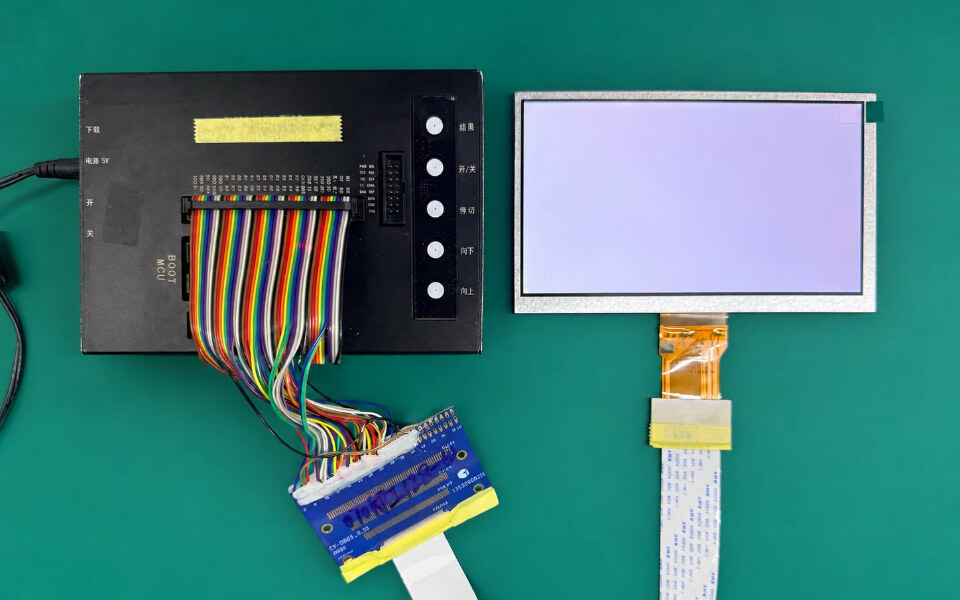
A useful display test considers both appearance and operation. Visual review may cover the active area, screen surface, connectors and other visible parts of the module. Scratches, contamination, visible damage, uneven appearance and pixel-related defects are examples of points to define in the inspection criteria. An LCD screen test should use agreed lighting, viewing distance, viewing angle and test patterns so that results can be assessed consistently.
Functional evaluation starts with the intended electrical conditions and interface. Depending on the module, an LCD test may include power-on behavior, image presentation, backlight operation and image stability. Color presentation and uniformity may also be relevant where the specification defines how they are measured. Touch-enabled assemblies need separate consideration of touch response and alignment with the displayed image.
The checks required for a particular module depend on its design and intended use. Confirm the applicable methods and limits before using sample results as a reference for production.
Define Inspection Conditions and Acceptance Criteria
Clear acceptance criteria make sample feedback easier to act on. Identify the characteristic being evaluated, the inspection conditions and the permitted variation. For visual assessment, specify the viewing setup and the treatment of cosmetic or pixel-related defects. For measured performance, identify the method, equipment requirements and limits relevant to the application.
Keep approved drawings, specifications and sample feedback together as a project reference. When a requirement changes, confirm the revised documentation before comparing results from different product versions.
Quality Requirements for Custom LCD Display Projects
A display must fit and connect correctly within the finished device. Review outline dimensions, mounting features, connector type, cable orientation and interface details against the approved drawing. Where a touch panel or cover glass is included, the assembly dimensions and the relationship between the visible area and touch area also need attention. Sample evaluation in the intended device can help identify integration questions before the design is finalized.
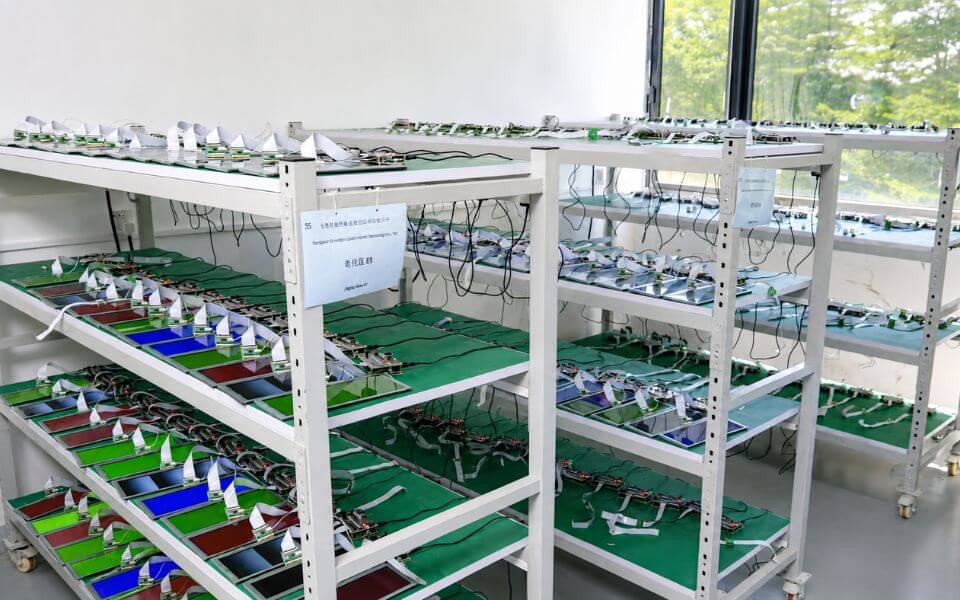
Reliability requirements should follow the application environment. Temperature changes, humidity, vibration and extended operating periods may matter differently for different products. Where additional evaluation is needed, agree on the conditions, duration, sample quantity and acceptance criteria before testing. Confirm which methods and supporting documentation are available for the selected module.
For repeat orders, approved specifications and agreed change procedures provide a reference for discussing consistency. Define any inspection records, sample retention or reporting requirements as part of the project documentation.
Discuss Your LCD Display Test Requirements
Share your display requirements with MAXEN, whether you are selecting an existing module or developing a custom LCD display. Include the display size, resolution, interface, touch requirements, operating environment and expected order quantity. Drawings, visual acceptance criteria and any required test reports will help make the discussion more specific.
Contact our team to discuss an LCD display test scope suited to your project and confirm the inspection methods, acceptance limits and documentation required before proceeding.